
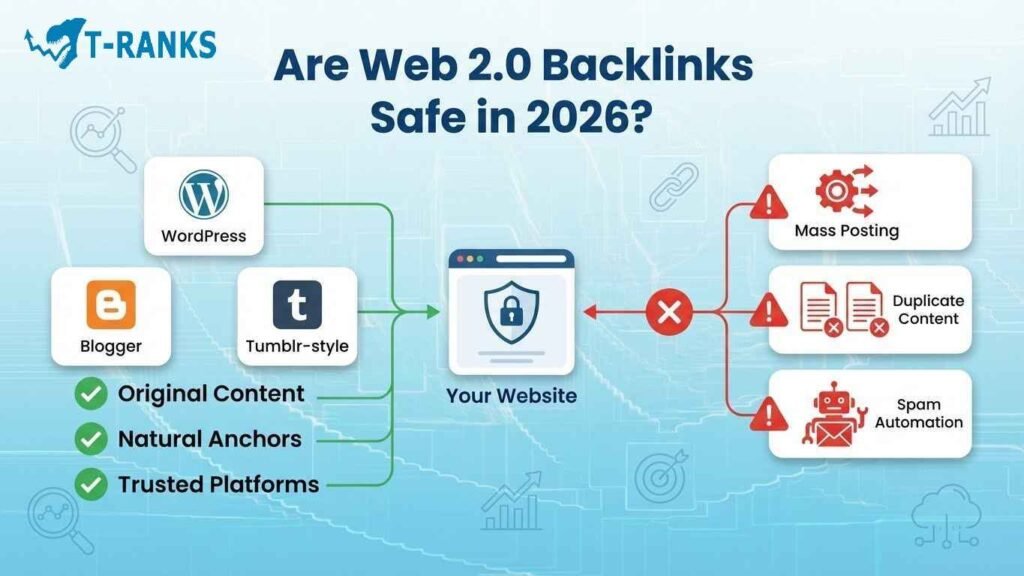

In the ever-evolving ecosystem of search optimization, few tactics spark as much debate as web 2.0 backlinks. Some dismiss them as outdated artifacts from early SEO culture, while others still quietly deploy them as controlled amplification assets inside broader authority-building systems.
The truth is less dramatic: they’re neither magical nor useless. Their impact depends entirely on how they are constructed, aged, and integrated into a wider content footprint.
Understanding the Core Idea Behind the Method
This web 2.0 backlinks strategy revolves around building secondary publishing properties on existing platforms that allow user-generated content. Each property functions like a miniature website with its own articles, structure, and publishing rhythm.
Instead of blasting links across random pages, the modern approach treats each property like a legitimate editorial space. The goal is to simulate real content behavior rather than artificial link placement.
Search engines now evaluate patterns, consistency, and contextual relevance far more aggressively than in the past, which means sloppy execution gets filtered out quickly.
How to Build Them Safely Without Triggering Red Flags
The safest implementation relies on patience, gradual content development, and natural editorial flow. Rushing the process is what usually exposes footprints.
A more sustainable approach follows a layered structure:
- Establish a credible profile identity with niche-aligned branding
- Publish multiple standalone articles before adding any outbound references
- Write content that can exist independently without requiring a link
- Introduce references only when they genuinely enhance reader understanding
- Vary tone, structure, and subject matter across posts
- Avoid repeating identical anchor styles across different properties
The key principle is restraint. Each publishing property should feel like a real blog, not a link vessel.
Platforms That Still Carry Strong Authority Signals
Certain publishing ecosystems continue to hold strong indexing trust and domain strength. These are commonly used for controlled content distribution and niche expansion:
- WordPress.com – Highly flexible and widely trusted publishing infrastructure
- Blogger – Old but still crawls efficiently and gets indexed reliably
- Medium – Strong editorial environment with discovery potential
- Tumblr – Lightweight posting system with fast visibility cycles
- Wix – Useful for building structured micro-sites with visual control
- Weebly – Simple site builder with decent historical trust signals
- Substack – Newsletter-style ecosystem gaining increasing authority
Each platform used for web 2.0 backlinks can function as a separate content node when developed with consistency rather than volume.
Practical Example of a Realistic Setup
Imagine building a Medium article focused on “beginner content marketing habits.” The piece is written as a standalone guide with actionable advice, not promotional language.
Inside the article, you naturally reference a deeper resource on your main website that expands on advanced content systems. The link is placed as a supporting citation within the flow of the sentence rather than being forced or isolated.
That subtle integration is what keeps the content aligned with editorial expectations and avoids triggering artificial link patterns.
A Controlled Example of a Web 2.0 Backlink
A practical scenario might look like this:
You create a WordPress.com blog dedicated to productivity strategies. One post discusses “daily focus routines that improve output.” Within that article, you reference a detailed guide on your primary site about workflow optimization frameworks.
The link appears once, embedded naturally in context, without repeated anchors or aggressive repetition. The post itself provides standalone value, meaning it doesn’t rely on the link to feel complete.
That balance is critical for maintaining credibility signals.
Are These Links Still Worth Using Today?
Their role has shifted significantly over time. They no longer act as dominant ranking levers, but they still contribute to broader SEO ecosystems when used correctly.
Their modern value lies in supporting functions such as:
- Strengthening topical relevance across niche clusters
- Assisting indexing for new or low-visibility pages
- Diversifying backlink profiles for natural appearance
- Creating secondary discovery pathways for crawlers
However, relying on them as a primary strategy is ineffective in today’s algorithmic environment. Search engines now prioritize authority earned through engagement, originality, and trust signals from real audiences.
Interestingly, the phrase still circulates widely in SEO discussions, even though its impact is far more nuanced than it once was.
Final Takeaway
This tactic has transitioned from a shortcut into a supplemental layer. It can still support visibility when embedded inside a broader content strategy, but it cannot carry rankings on its own.
Used carefully, it blends into a natural authority-building ecosystem. Used aggressively, it becomes noise that modern search systems increasingly ignore.