
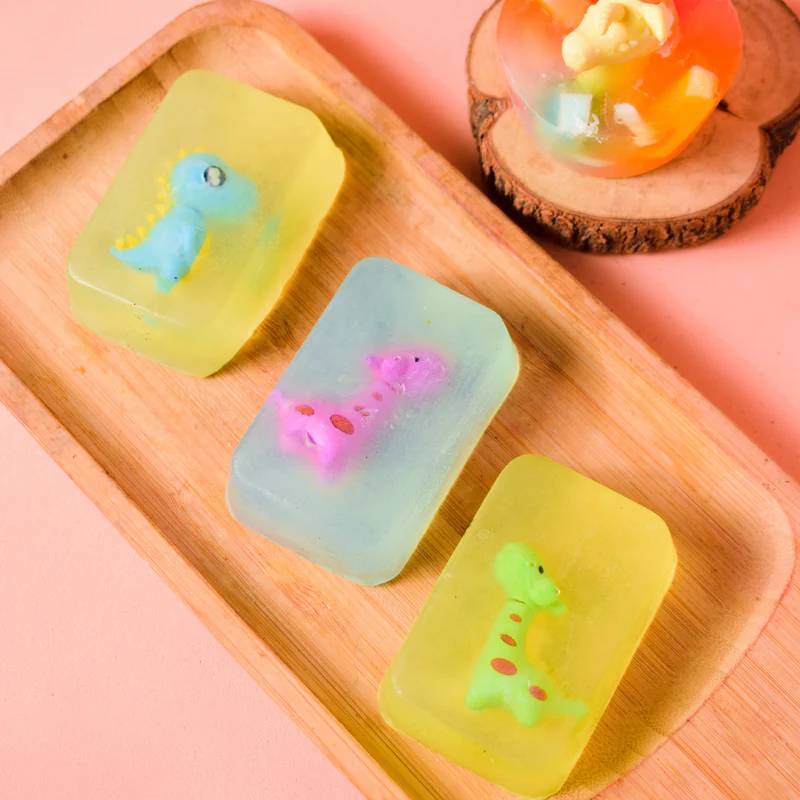

Crafting soap at home has surged in popularity, merging creativity, sustainability, and a touch of science. Whether you’re chasing the dream of selling handcrafted bars or simply yearning for a mindful hobby, selecting the right soap making kit is the first step to transforming oils and scents into something truly extraordinary.
What Supplies Do I Need for Soap-Making?
Soap-making requires a surprising blend of artistry and chemistry. At its core, you’ll need oils or butters, lye (sodium hydroxide), distilled water, a heat-resistant mixing bowl, a stick blender, silicone molds, and safety gear like gloves and goggles. A thermometer and digital scale ensure precision, while spatulas and spoons make the process smoother. These basic tools, bundled together in a reliable kit, save time and guesswork for newcomers.
How Do I Start Making My Own Soap?
Begin by deciding which method suits your personality and patience level. The melt-and-pour process is quick and beginner-friendly—simply melt a pre-made base, add fragrance and color, and pour it into molds. For a more immersive experience, the cold process allows you to create soap from scratch by blending lye with oils. This technique demands careful handling and curing time, but the results are richer, creamier, and customizable down to the last swirl.
What Is Cold Process for Soap Making?
The cold process is a centuries-old technique where natural fats or oils react with lye in a controlled chemical transformation called saponification. The mixture thickens, sets, and cures over several weeks, developing into a firm, long-lasting bar. It’s the method most artisans prefer for its purity and flexibility—perfect for those who crave full control over ingredients, texture, and scent profiles.
What Are the Best Fragrances for Soap Making?
Fragrance can elevate a simple bar into a sensory journey. Popular options include lavender for calmness, peppermint for invigoration, and sandalwood for a rich, earthy depth. Citrus oils like orange or lemon add brightness, while rosemary or eucalyptus provide a fresh, clean finish. When choosing scents, ensure they are skin-safe and formulated for soap crafting to prevent fading or irritation.
Is Making Soap Profitable?
Absolutely—if approached with strategy. Handcrafted soap appeals to eco-conscious consumers and skincare enthusiasts seeking alternatives to mass-produced brands. Profit margins depend on ingredient quality, packaging design, and branding. Small batches can yield significant returns when marketed at farmers’ markets, online boutiques, or through social media. The beauty of soap-making lies not only in its creativity but also in its potential to bloom into a fulfilling small business.
What Is the Best Organic Soap Making Supplies Kit?
For those who prioritize sustainability, the best organic kits feature ethically sourced oils, biodegradable molds, and eco-friendly packaging. Look for kits that include unrefined shea butter, coconut oil, and plant-based colorants like spirulina or turmeric. Brands that emphasize transparency about their ingredient sourcing and avoid synthetic fragrances often deliver the purest results.
Final Thoughts
Choosing a soap making supply kit is more than a purchase—it’s an invitation to explore an ancient craft that balances creativity, wellness, and entrepreneurship. Whether you’re drawn to the meditative rhythm of stirring oils or the thrill of crafting a product that’s uniquely yours, the journey begins with one bar, one scent, and one spark of imagination.