
In the constantly shifting landscape of search engine optimization, staying ahead requires more than just cranking out content. Savvy marketers know that backlinks remain a cornerstone of credibility, yet not all links carry the same weight. Among the myriad techniques, creating web 2.0 backlinks continues to intrigue digital strategists aiming to elevate their domain authority safely.
Why Web 2.0 site links Still Matter
Web 2.0 platform backlinks are links created on platforms that allow users to generate content, such as blogs or mini-sites, which then link back to a main website. Unlike comment spam or low-quality link farms, these backlinks, when cultivated responsibly, signal relevance and authority to search engines. They function like digital endorsements, offering both visibility and a touch of legitimacy.
However, it’s vital to wield them with caution. Overstuffed posts or automated submissions can raise red flags with Google’s algorithm, nullifying any potential benefit. The key is crafting authentic content that naturally integrates your link, providing value to the reader while subtly enhancing your site’s network of references.
How to Build Web 2 links Safely
- Curate Authentic Content
Instead of churning generic articles, generate content that captivates and informs. Case studies, tutorials, and unique insights grab attention while establishing trust. - Diversify Your Platforms
Avoid funneling all links through a single site. Spread them across reputable web 2.0 properties to build a natural footprint. - Integrate Links Organically
Rather than forcing a link, weave it into the content contextually. Links embedded within informative paragraphs outperform those stuffed at the bottom of pages. - Monitor Your Footprint
Keep tabs on published backlinks and ensure they remain live. Regular audits prevent lost value from broken or removed links.
Top Web 2.0 Platforms With High Domain Authority
For marketers eager to craft powerful backlinks, certain platforms consistently outperform others:
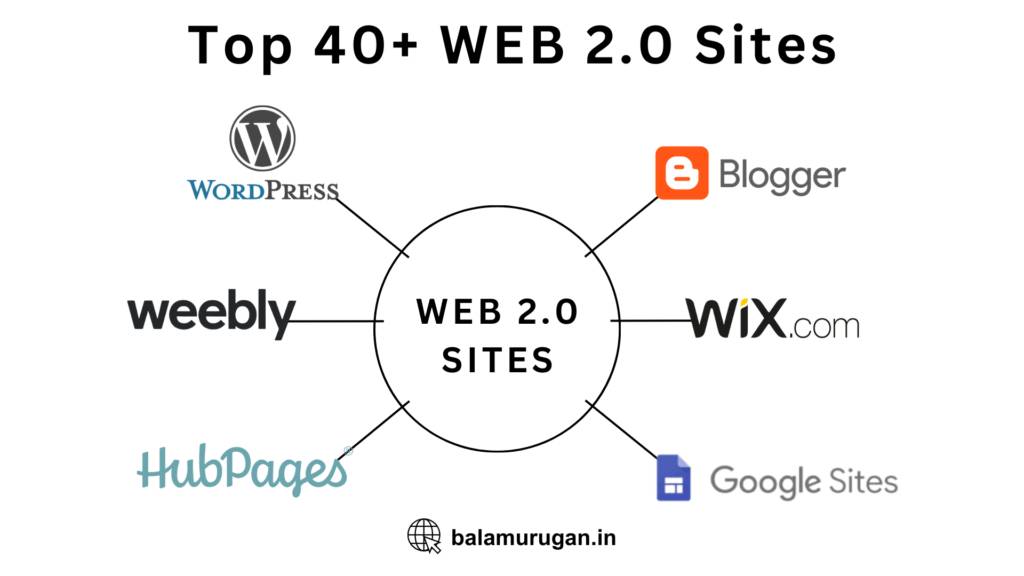
- WordPress.com – Offers robust customization with strong domain authority, perfect for long-form guides.
- Blogger – Google’s own platform ensures credibility and fast indexing.
- Medium – A sleek interface and engaged readership make it ideal for thought leadership pieces.
- Wix Blog – Modern design flexibility paired with high trust metrics.
- Weebly – Simple to navigate while providing solid link equity.
These platforms allow content creators to establish mini-hubs of authority while linking back to main sites in a safe, legitimate manner.
Example of a Web 2.0 Backlink
Suppose you run a website about sustainable gardening. You could publish an article on Medium titled “Five Ways to Reduce Plastic Waste in Your Garden,” seamlessly linking to your main resource hub for eco-friendly gardening tools. The link isn’t forced; it flows naturally within the narrative, enhancing both utility and credibility.
Are Web 2.0 links Worth It Today?
While some SEO experts argue that web 2.0 links have waned in influence compared to organic citations or guest posts, they still hold strategic value. When executed thoughtfully, these backlinks can diversify a site’s link profile, contribute to indexing speed, and reinforce topical relevance. They aren’t magic bullets, but as part of a broader, well-rounded SEO strategy, they continue to deliver measurable benefits.
In summary, building web 2.0 links safely involves creativity, moderation, and platform selection. By approaching the process with intent and attention to authenticity, marketers can harness these links to bolster authority, attract organic traffic, and maintain a resilient SEO presence.